Latest · June–August 2026
Big Cat Project Report, June–August 2026
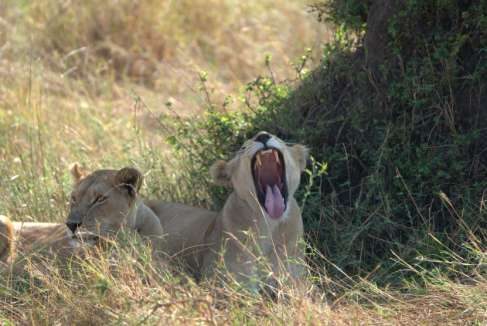
Monitoring large carnivores in the Serengeti landscape involves much more than locating animals and recording their presence.
Tanzania’s Only Camp-Based Big Cat Biologists
Njozi Camp is the fieldwork base to develop young local wildlife biologists, who gain experience as they conduct original big cat research, which began in 2014. Our biologists rotate to join guests on game drives and record data on the individual big cats we encounter. This gives our guests a unique opportunity to observe and learn, as our guide-biologist teams have a superior level of knowledge about Ndutu big cats.
Our intensive data collection also means we have a good understanding of each cat’s and lion pride’s home ranges, favorite haunts and movement patterns, increasing the chances of finding them on game drives.
Traditionally most wildlife research in Africa has been done by foreign researchers. We saw a need to contribute to the development of local capacity in this critical field. A stay in our camp contributes to creating entry-level wildlife biologist jobs, helping to develop biologists’ field skills but also critical interpersonal skills. This also allows us to collect long-term monitoring data on big cats that can assist with their conservation. In exchange, guests receive a much deeper wildlife safari experience than the typical safari and can depart knowing they’ve helped train the Tanzanian wildlife biologists needed to conserve this magnificent heritage far into the future.
Njozi Camp Big Cat Research – Cheetah (F104) called Bomba with cubs
Read the biologists’ field notes from the 2017–2018 calving season, with individual cats from the survey: Meet the Cats
Reports and newsletters from the Big Cat Project
Latest · June–August 2026
Monitoring large carnivores in the Serengeti landscape involves much more than locating animals and recording their presence.
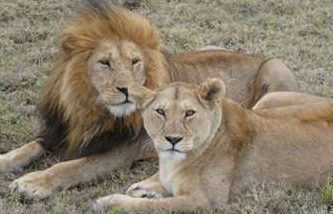 January 2026 Njozi Pride: Big Cat Project Newsletter, January 2026 Safari operations can enhance conservation efforts in Tanzania by actively engaging local communities to promote responsible tourism. The Wild Source safari operators have integrated conservation and tourism through the Big Cat Project (BCP).
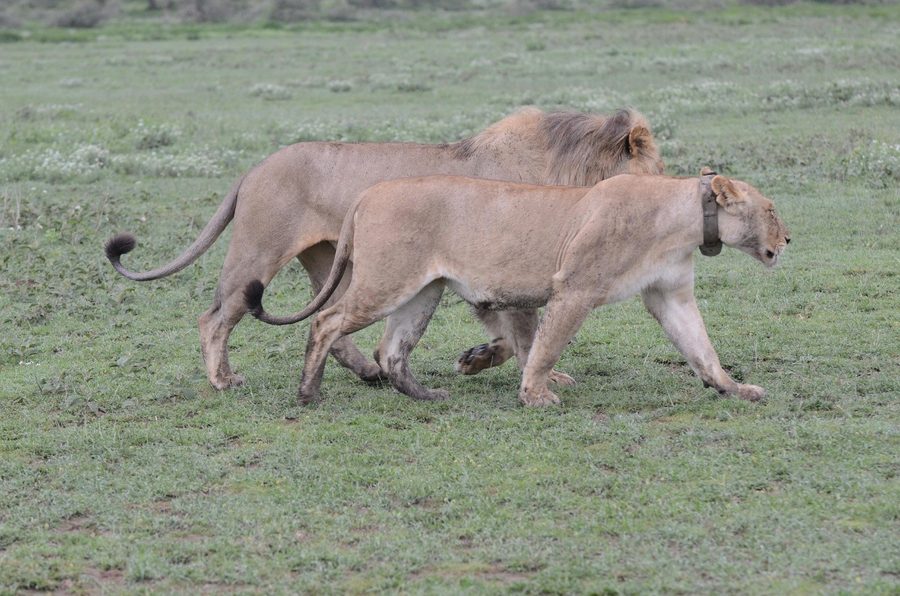 December 2017 – March 2018 Big Cats Report 2017 – 2018 Calving Season There are changes within the Big Marsh and Masek Pride. Two males, “The Blondies,” were kicked out by four young males, estimated to be 3 – 3.5 years old.
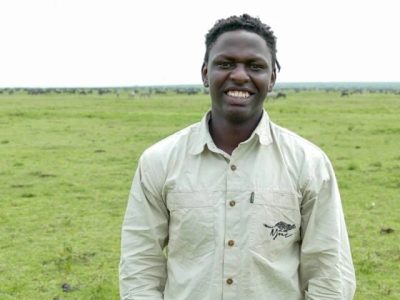
Tanzania Wildlife Biologist
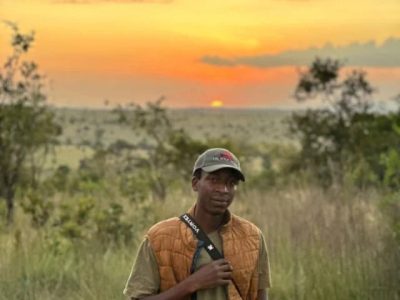
Yusuf joined our big cat research team based at Njozi Camp in 2019 as a junior biologist in training with David. Growing up as the son of a safari guide (The Wild Source Tanzania Director and King Guide Deo Magoye), Yusuf was frequently in Tanzania’s parks, learning about wildlife from his Dad and often living behind the scenes at safari camps.
Yusuf has not had any formal wildlife studies but as a talented musician he has an artist’s eye for what is happening around him. He has quickly advanced his knowledge by spending time with our biologists and guides.
Observing and understanding big cat behavior has been natural for Yusuf and he has grown to love this role. He has become very efficient at recording behavioral data and ensuring good documentation photographs to track individual cats.
Tanzania Wildlife Biologist
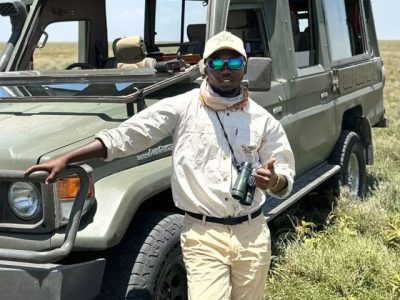
In July 2024, Benson joined The Wild Source biologist team and big cat research project as a recent college graduate. His role involves collecting vital data on big cats in the Serengeti, observing their amazing dynamics and unique way of life.
Benson’s love for wildlife began during his school years, where regular educational safaris introduced him to the wonders of nature. From primary through secondary school, Ben was able to visit national parks and other natural attractions, each trip sparking deeper curiosity and connection with the wild. Over time, those early exposures shaped his passion and led him to pursue a career working with wildlife, where he is now happy to share that same sense of wonder with others.
Benson also comes from a farming background, where life at the shamba offered daily encounters with wildlife – birds singing in the trees, antelope grazing nearby, and the rhythm of nature all around. Raising livestock and caring for pets deepened his interest in how animals live and interact. This blend of formal education and hands-on experience nurtured his respect for animals and inspired his journey into the world of conservation and guiding.
He loves learning and understanding, as well as sharing stories with guests and seeing their amazement and curiosity. His ultimate goal is to contribute to positive change and help make the world a better place through conservation. Outside of his work with wildlife, Ben enjoys hiking, camping and traveling.
Tanzania Wildlife Biologist
Raymos Mbwambo, a passionate wildlife professional born and raised in the small village of Mto wa Mbu in Northern Tanzania, joined our Njozi Camp wildlife biologist program in 2023.
Growing up at the gateway to some of Africa’s most iconic protected areas, including Lake Manyara, the Ngorongoro Crater, and the Serengeti, Raymos developed a deep admiration for wildlife from a young age. Watching safari vehicles pass through his village sparked a lifelong dream to be part of the conservation world. Determined to turn his passion into a profession, Raymos pursued formal training at the College of African Wildlife Management – Mweka, one of the leading institutions in wildlife studies in Africa.
After completing his education, he joined the Njozi team of biologists in 2023, working on big cat research and conservation projects supported by The Wild Source. He particularly focused on the protection and monitoring of Africa’s iconic predators: lions, leopards and cheetahs, whose survival is crucial for the health of the ecosystem. He believes that wildlife conservation is not just about protecting animals, but about preserving the delicate balance of nature, supporting local livelihoods, and securing a sustainable future for generations to come. With a strong foundation in both fieldwork and ecotourism, Raymos continues to contribute meaningfully to wildlife conservation efforts in Tanzania, driven by a vision to connect people with nature through responsible tourism and scientific research.
Plan a stay at Njozi Camp.